
Get your family working as a team. Use our expert weekly chore chart checklist for families to divide tasks evenly and keep your home spotless.
How to Design a Weekly Chore Chart Checklist for Families That Actually Works
Look, I get it, cleaning after a 10-hour shift is the last thing you want to do—and tripping over a pile of plastic toys or finding an empty milk carton left in the fridge only makes it worse. When you are running a household with kids, partners, or roommates, the burden of keeping everything running smoothly shouldn’t fall squarely on your shoulders. Yet, so many parents and heads of households end up carrying the entire mental load of home maintenance. It is exhausting, and quite frankly, it’s a fast track to resentment.
Here is the real talk: your family members are not guests in a hotel; they are teammates in a shared living space. The reason most chore systems fail isn’t a lack of good intentions; it is a lack of clear structure. That is where a comprehensive weekly chore chart checklist for families comes into play.
At TidyHome.site, we focus on creating practical household schedules that turn chaotic spaces into calm sanctuaries. By implementing a visual, predictable system, you stop nagging and start collaborating. Let’s look at how you can build an accountability framework that gets everyone involved without turning your home into a battleground.
The Psychology of Shared Household Accountability
Why do children and partners magically look past a overflowing trash can or a dusty coffee table? It usually isn’t out of spite. It is simply because they haven’t been trained to see the mess, or they assume someone else will handle it. When responsibilities are vague, execution is non-existent.
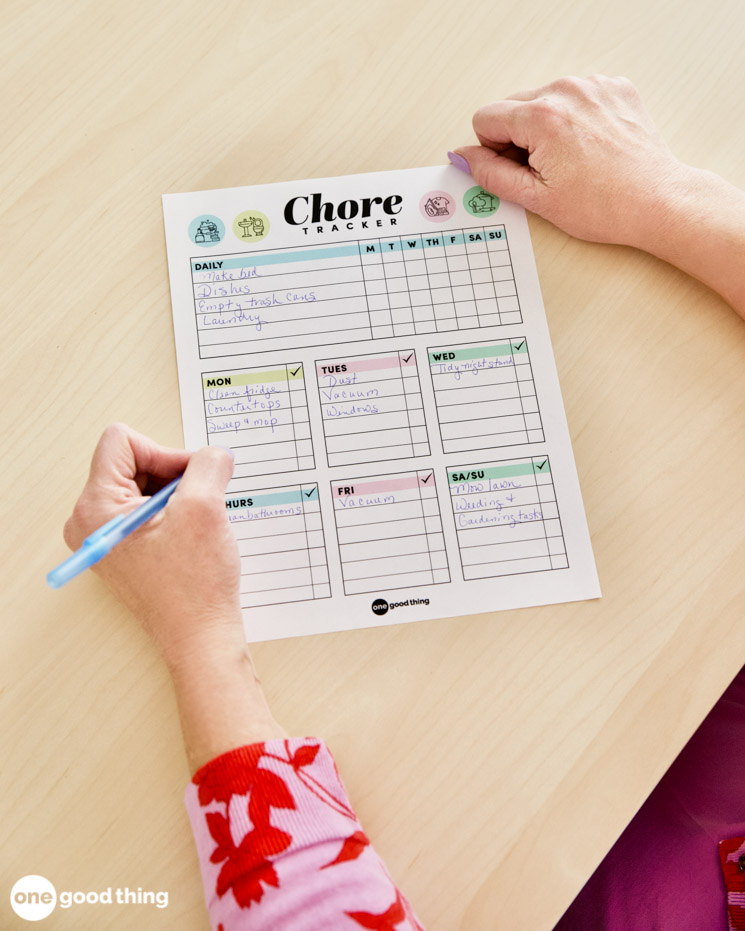
A visual weekly chore chart checklist for families completely removes the guesswork. It shifts the dynamic from you constantly barking orders to the chart being the objective source of truth. When a child can look at the fridge and see exactly what is expected of them before they get screen time, the daily power struggles simply melt away. Plus, checking off a completed task provides a genuine dopamine hit that builds positive lifelong habits.
Age-Appropriate Chore Delegation Matrix
Before you start handing out tasks, you need to make sure the work matches the individual’s developmental level. Asking a six-year-old to clean the bathroom is a recipe for disaster, while giving a teenager nothing but “pick up your shoes” creates an unequal distribution of labor.
Here is a practical breakdown of how to divide responsibilities across different age groups to ensure your weekly system stays balanced.
| Age Group | Recommended Chore Focus | Ideal Time Commitment | Example Tasks |
| Toddlers (Ages 2-4) | Basic Pick-Up & Mimicry | 5 Minutes / day | Put toys in bins, place dirty clothes in hamper, wipe baseboards with a dry cloth |
| Young Kids (Ages 5-8) | Single-Room Simple Tasks | 10-15 Minutes / day | Feed pets, set the dinner table, dust low surfaces, empty small bedroom trash cans |
| Pre-Teens (Ages 9-12) | Multi-Step Independent Work | 20 Minutes / day | Load/unload dishwasher, sweep floors, fold clean laundry, wipe down kitchen counters |
| Teenagers & Adults | Whole-House Maintenance | 25-30 Minutes / day | Take out main garbage, vacuum carpets, mop floors, clean bathroom toilets and sinks |
Step-by-Step Guide to Customizing Your Family Chore Checklist
Building a system that sticks requires a bit of upfront strategy. Follow this proven roadmap to launch your new weekly layout seamlessly.
Step 1: Hold a Casual Family Summit
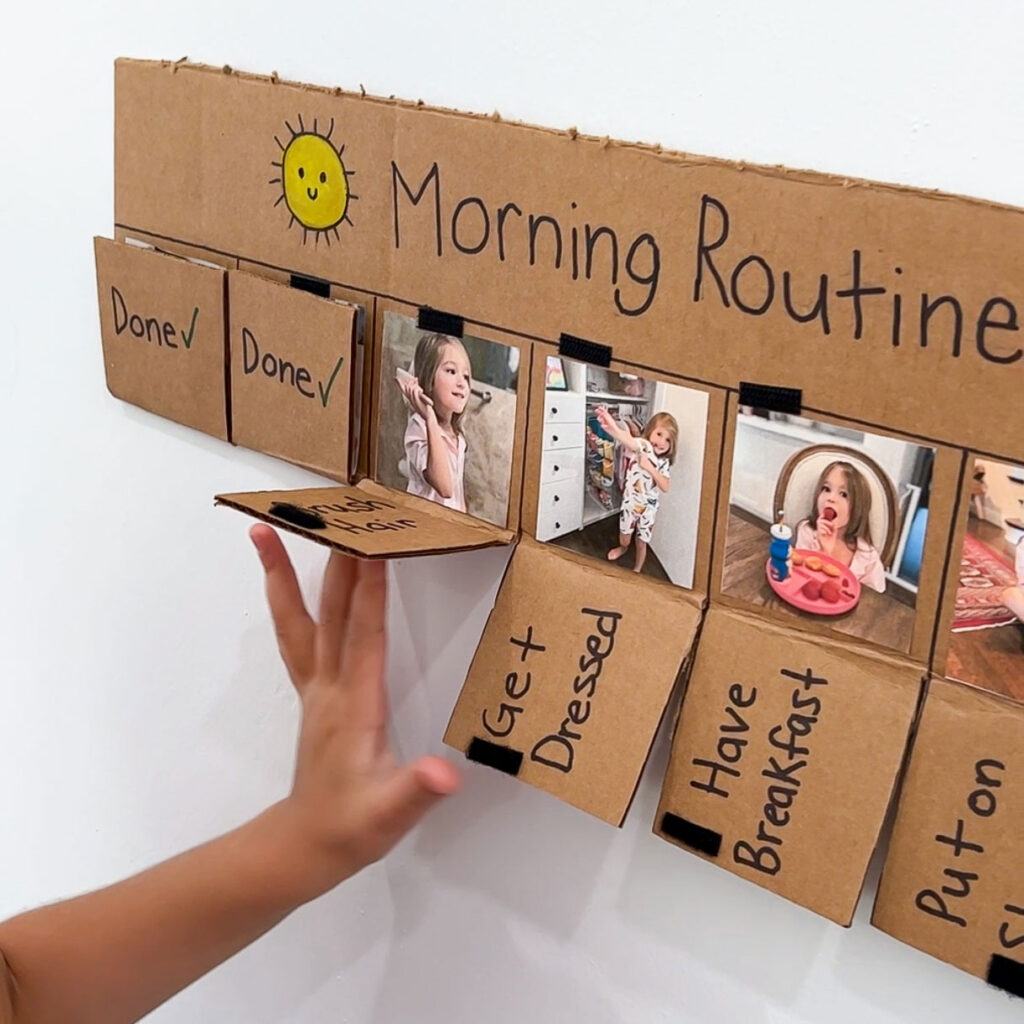
Do not just print a list, hang it up, and expect compliance. Sit everyone down over pizza or ice cream and explain the “why” behind the change. Frame it positively: when everyone pitches in for just fifteen minutes a day, the whole house stays clean, and everyone gets more free time on the weekend to do fun things together. Ask for input on which chores people actually enjoy or dislike—you might be surprised to find that your teenager prefers loading the dishwasher over sweeping the patio.
Step 2: Establish the Non-Negotiable Daily Resets
A weekly routine is only successful if the daily baseline is maintained. Determine 3-4 micro-tasks that must happen every single evening regardless of who is assigned to what weekly zone. This typically includes clearing the dining table, putting shoes in the entryway closet, and running the dishwasher. Write these at the top of your weekly chore chart checklist for families so they become automatic daily rituals.
Step 3: Map Out the Weekly Specifics
Assign specific deeper tasks to specific days or rotate them weekly among family members. For example, Monday can be Floor Day, Wednesday can be Trash Night, and Friday can be Surface Polish Day. Make sure each person has clarity on exactly what “done” looks like for there specific task. If a child thinks “cleaning the room” just means shoving everything under the bed, you need to gently recalibrate their definition of success.
Step 4: Build in an Assessment and Reward System
An accountability loop is crucial for long-term success. Check the chart together at a designated time each evening or weekend. Tie the completion of chores to clear privileges, like allowances, weekend outings, or digital device access. Avoid using chores as a punishment; instead, treat them as a normal contribution to family life that unlocks the fun parts of the week.
Avoid These Three Fatal Chart Failures
If you want your family schedule to last longer than a week, keep an eye out for common structural traps. First, avoid overcomplicating the visual layout. If your checklist looks like an advanced corporate spreadsheet with too many colors and sub-columns, younger kids will completely tune it out. Keep the design clean, bold, and easy to read at a single glance.
Second, avoid stepping in to redo a poorly done chore immediately. If your partner wipes down the counters but leaves a small streak, or if your child folds the towels a bit unevenly, let it go. If you instantly step in and fix their work, you signal that their effort wasn’t good enough, which completely destroys their motivation to try next time. Guide them gently, but let them own their progress.
Finally, keep an eye out for schedule drift. Life happens, sports seasons start, and school workloads change. A rigid framework will break under pressure. Review your household dynamic every few months to adjust tasks and ensure the workload remains fair for everyone involved.
Embracing the Team Mindset for Home Management
At the end of the day, a clean house is wonderful, but a harmonious home is even better. When you integrate a structured weekly chore chart checklist for families into your household routine, you are doing so much more than just cleanning up crumbs and dust bunnies. You are teaching your kids valuable life skills, fostering mutual respect with your partner, and reducing the invisible mental stress that keeps you awake at night.
We have seen thousands of families transform their daily dynamics by shifting from isolated frantic bursts of cleaning to a shared, rhythmic system. You don’t have to carry the weight of your entire household on your own shoulders anymore. It is entirely possible to step through your front door and feel an immediate wave of peace instead of a compounding list of chores.
Ready to stop the endless cycle of nagging and step into a smoother household rhythm? We are here to make home management simple, collaborative, and entirely stress-free. Head over to TidyHome.site to download our highly customizable weekly chore chart checklist for families, explore our premium printable templates, and subscribe to our newsletter for tailored household schedules that keep your home spotless without the stress!